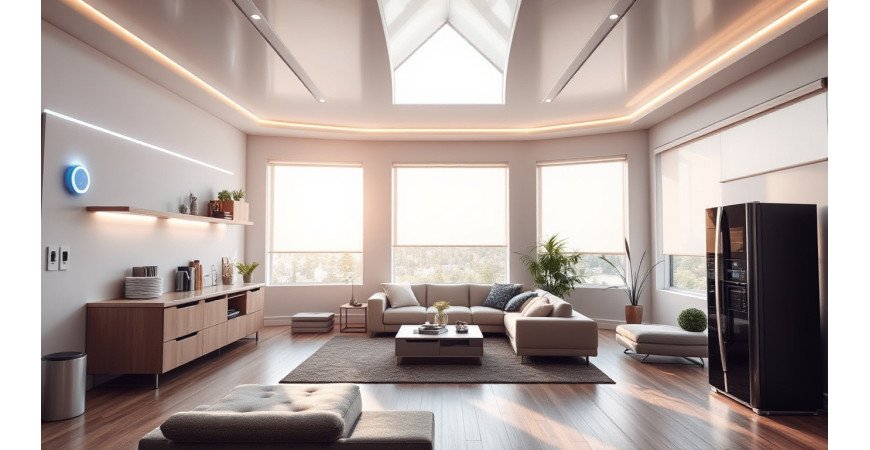

Main Devices for Smart Homes
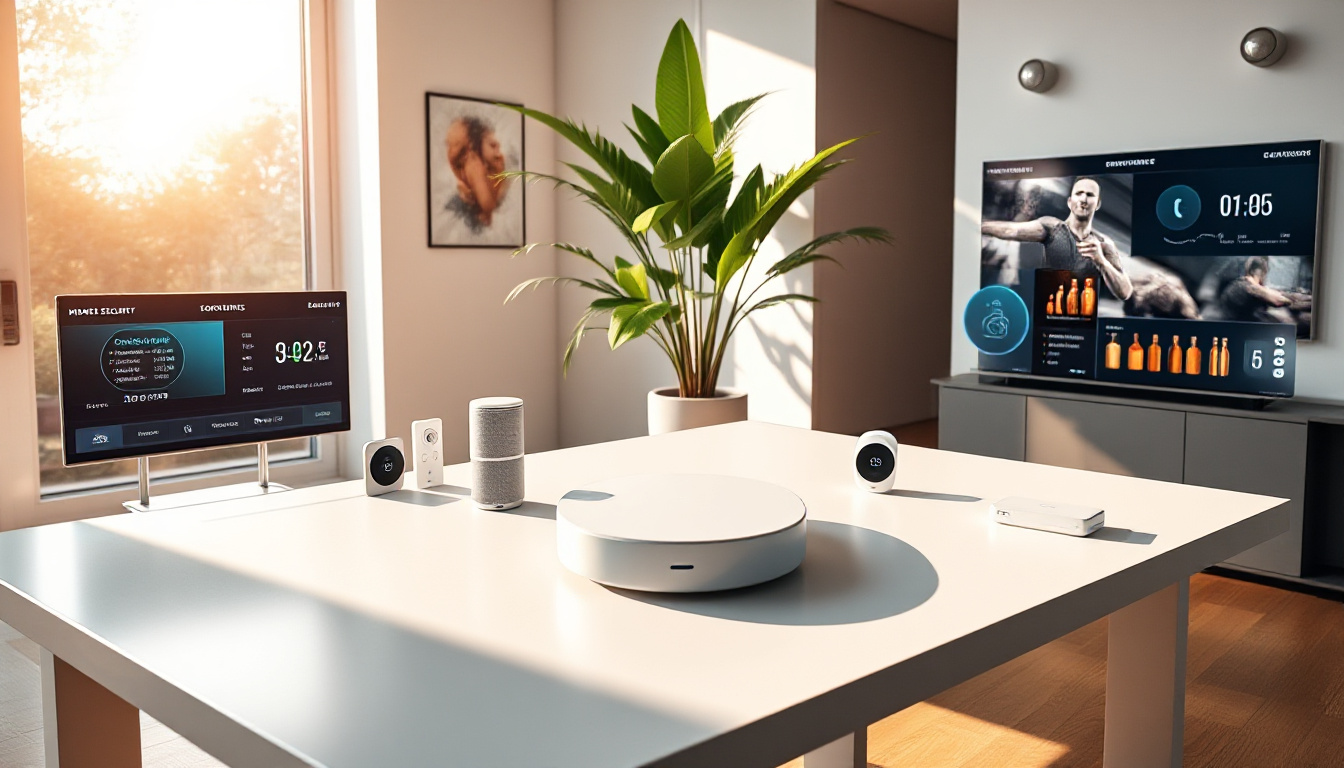
When creating a smart home, it is important to know about the main devices that can significantly enhance the comfort and security of your home. In 2026, the market will see a multitude of new products that will allow you to automate your home and ensure its integration into a single ecosystem. Let’s consider the most relevant devices for smart homes.
Smart Lighting Systems
One of the main components of a smart home is smart lighting systems. They allow not only to change the brightness and color of the light but also to automate the lighting process depending on the time of day or the presence of people in the room.
- Automatic regulation: Lighting can automatically turn on or off when entering or leaving the room.
- Remote control: You can control the lighting through a mobile app, even when far from home.
- Energy savings: Using LED bulbs and timers helps reduce electricity costs.
Smart thermostats
Smart thermostats are an essential part of home automation. They help control the temperature indoors, ensuring comfort and reducing heating and cooling costs.
- Learning: These devices learn your habits and automatically adjust the temperature based on your schedule.
- Remote access: You can adjust the temperature from anywhere using your smartphone.
- Integration with other systems: Smart thermostats can integrate with security and lighting systems for full automation.
Security systems
Security is one of the most important aspects of a smart home. Security systems such as surveillance cameras, motion sensors, and alarms provide protection for your home.
- Video surveillance: Modern cameras allow for high-quality recording and have night vision capabilities.
- Motion sensors: They alert you to any suspicious activity in your home.
- Mobile notifications: You will receive instant notifications on your phone in case of an alarm trigger.
Multimedia systems
Multimedia systems also play an important role in a smart home. They allow you to enjoy music, movies, and other entertainment from anywhere in your home.
- Audio systems: Smart speakers allow you to listen to music from various sources, including streaming services.
- Home theater systems: They provide unparalleled image and sound quality for your entertainment space.
- Integration with other devices: Multimedia systems can be connected with lighting and temperature control to create the perfect atmosphere.
Thus, the main devices for a smart home in 2026 provide convenience, security, and energy efficiency. How to create a smart home using these technologies can only be understood by studying their capabilities and advantages in detail. Smart technologies for smart homes open new horizons for comfort and security in your living space.
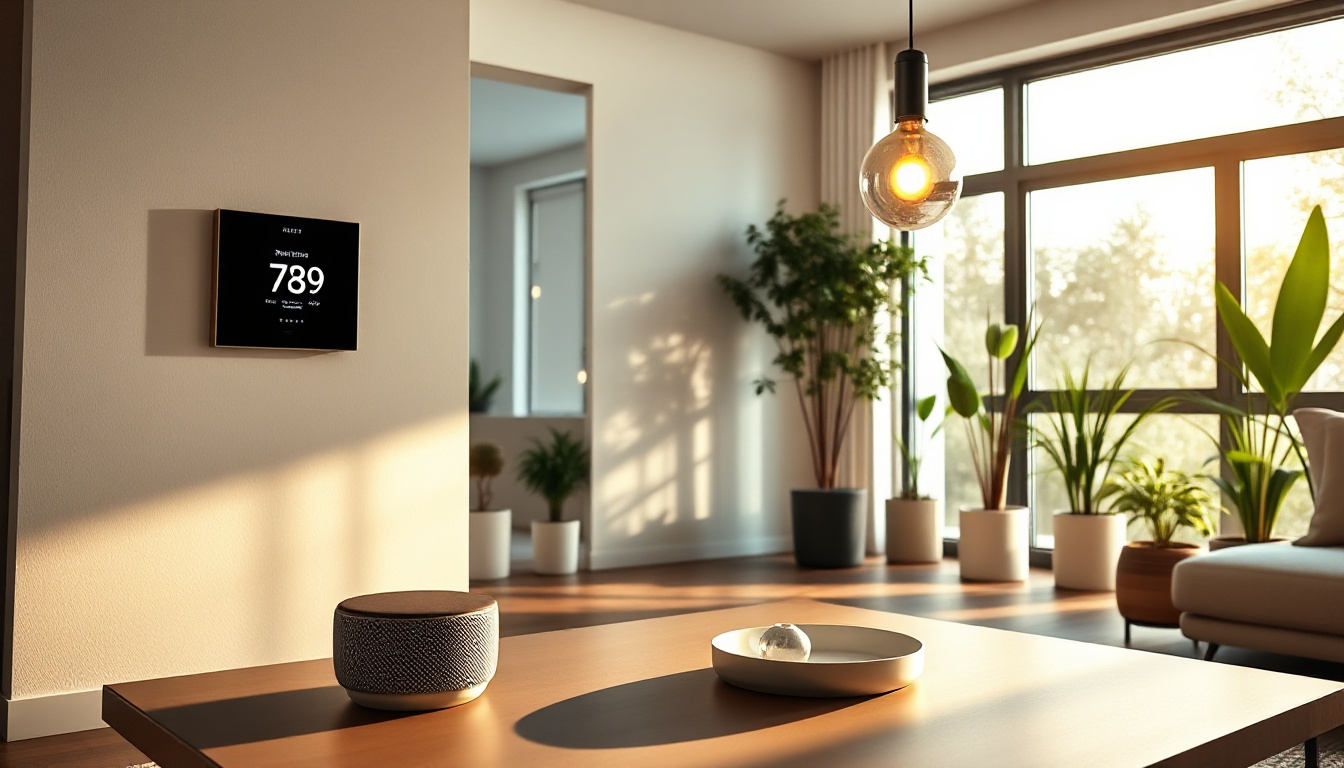
Technologies for home automation
Home automation opens new horizons in managing living spaces. Technologies for smart homes in 2026 offer numerous solutions that make our lives more convenient and secure. From lighting systems to smart thermostats — the possibilities are endless.
Lighting control systems
One of the first technologies for home automation is lighting control systems. They allow you to control the lighting of a room from anywhere in the world. For example, you can:
- Set the time for turning the lights on and off.
- Create lighting scenarios for different situations.
- Adjust the brightness and color of the light.
These functions not only enhance comfort but also help save energy.
Smart Thermostats
Smart home technologies also include smart thermostats. They adapt to your lifestyle. For example, you can:
- Set the desired temperature for each room.
- Receive notifications about temperature changes.
- Control heating through a mobile app.
Thanks to these devices, you can create optimal conditions in your home and reduce heating costs.
Safety and Video Surveillance
Safety is another important component of automation. Video surveillance systems allow you to monitor the situation in your home in real time. Among the innovations of smart homes in 2026:
- Cameras with facial recognition.
- Alarm systems that integrate with mobile apps.
- Motion sensors that can alert you to intrusions.
These technologies provide peace of mind and protection when you are not at home.
Access Control Systems
Access control systems complement the overall security picture. They allow you to manage access to your home. Among the main features:
- Remote door opening via smartphone.
- Using biometric data for access.
- Logging all entries and exits.
Such solutions make life more comfortable and safe.
Device Integration
Modern technologies for smart homes allow for integrating various devices into a single system. This means you can:
- Control all devices from a single app.
- Set up automation for different scenarios.
- Receive analytics on energy usage.
Thus, you can optimize your home's performance while increasing resource efficiency.
Therefore, technologies for home automation in 2026 offer numerous opportunities to improve quality of life. Thanks to the integration of various devices, you can create a true smart home that meets your needs and desires.
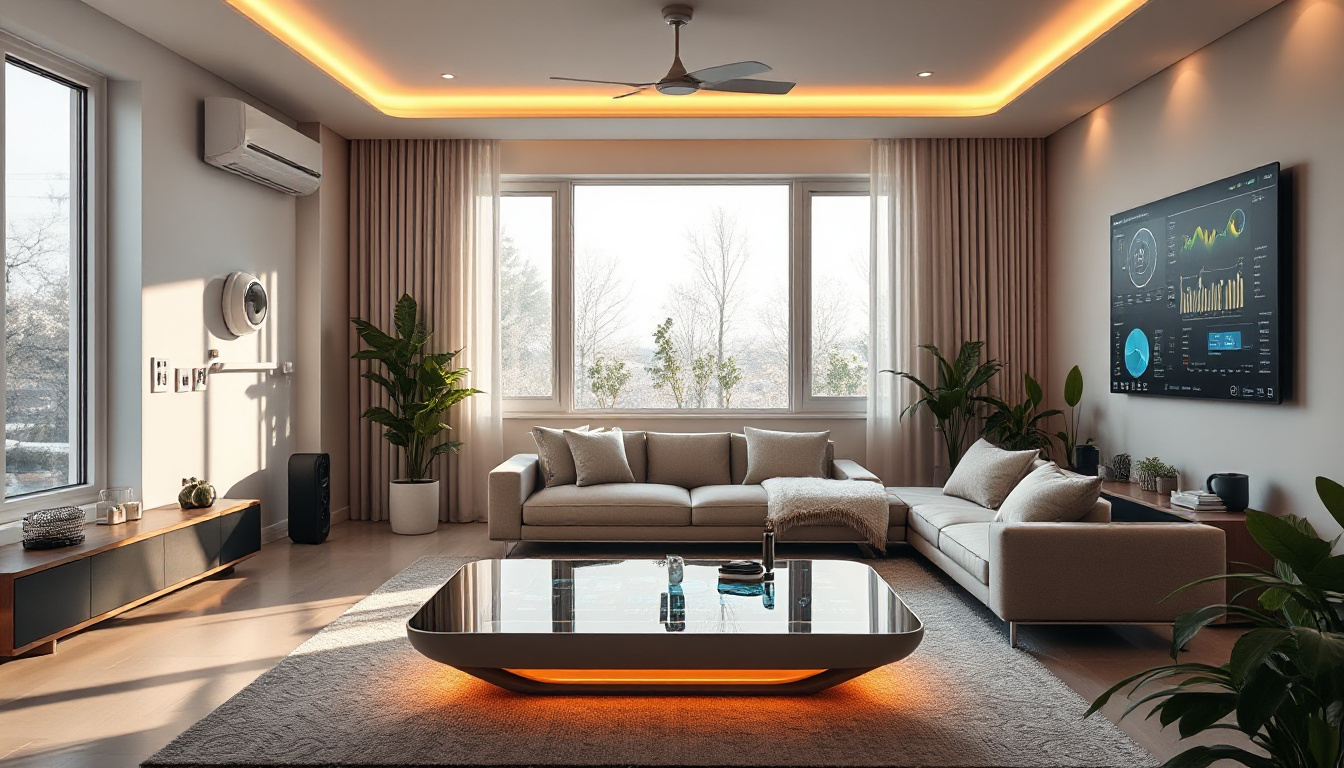
The Best Innovations in Smart Homes of 2026
The world of smart homes is constantly changing, and the year 2026 promises to be extremely interesting. The innovations in smart homes in 2026 promise not only to improve comfort but also to provide new levels of safety and energy efficiency. Let's take a look at some of the most interesting devices that will change our perception of home automation.
Next-Gen Smart Thermostats
Thermostats remain one of the most important devices for smart homes. In 2026, new models will emerge that can learn your habits and automatically adjust the temperature in your home. These devices will be able to take into account not only the time of day but also the weather, significantly reducing heating and cooling costs.
Intelligent Security Systems
Safety has always been a priority for homeowners. In 2026, the innovations in smart homes will bring impressive security technologies. Video surveillance systems with facial recognition and integration with mobile apps will allow you to monitor the situation in your home from anywhere in the world. Such devices for smart homes will provide maximum protection for your property.
- Motion Sensors: New models will be able to recognize not only movement but also sounds, which will enhance security.
- Automated Locks: They will allow you to open doors using your smartphone or even through voice commands.
- Alarms: Modern alarms can connect with your devices and send notifications in case of a break-in attempt.
Lighting Control Systems
Lighting systems will also undergo significant changes. In 2026, smart bulbs that can react to your location will hit the market. For example, when you enter a room, the lights automatically turn on, and when you leave, they turn off. This is not only convenient but also helps save electricity.
Smart Appliances
Another exciting novelty will be smart appliances that can interact with each other. From refrigerators that can order groceries online to washing machines that automatically select the optimal washing mode. These technologies for smart homes will significantly simplify daily tasks.
Eco-Friendly Solutions for Smart Homes
The growing popularity of eco-friendly solutions will also reach smart homes. In 2026, innovations will include rainwater collection systems, solar panels integrated into smart systems that will optimize energy consumption. This will not only reduce costs but also have a positive impact on the environment.
Thus, 2026 promises to be rich in smart home innovations that will help create a comfortable, safe, and eco-friendly environment. If you haven't yet considered how to create a smart home, now is the perfect time to explore these possibilities!

How to Create a Smart Home from Scratch
Creating a smart home from scratch is an exciting process that requires proper planning and knowledge of the latest smart home technologies. In this article, we will discuss the main steps that will help you realize your dream of a modern and comfortable home.
1. Designing a Smart Home
The first step in creating a smart home is designing. You need to determine what functions you want to implement and how they will interact with each other. Consider what smart home devices from 2026 you plan to use and how they will affect the overall architecture of your home. Having a plan will help avoid mistakes during construction.
2. Choosing Technologies
Choosing technologies for your smart home is critically important. Determine what automation systems you plan to integrate. These can include:
- Lighting Systems: automation of lighting using motion sensors or remote control.
- Climate Control: thermostats that adjust temperature according to your preferences.
- Security: surveillance cameras, motion sensors, and alarms.
When choosing technologies for your smart home, consider their compatibility with each other, as well as the possibility of future upgrades.
3. Network Infrastructure
One important aspect is creating a reliable network infrastructure. The foundation of your smart home should be fast and stable Internet. Consider using:
- Wireless routers to cover the entire home.
- Cable connections for critical devices.
- Mesh systems to extend Wi-Fi coverage.
A reliable network is the key to the uninterrupted operation of all devices in your smart home.
4. Installation of devices
After designing and preparing the infrastructure, it's time to install devices for the smart home. It is important to follow the manufacturers' instructions and ensure proper connections. It is recommended to involve specialists who have experience in installing smart systems.
5. Testing and configuration
After installing all devices, it is important to conduct testing. Check all functions to ensure they are working correctly. Configure the systems according to your preferences so that the smart home meets your needs. This may include programming scenarios for home automation, such as:
- Automatic lighting on at sunset.
- Temperature adjustment based on the time of day.
- Enabling the security system at night.
6. Maintenance and updates
After completing all stages, it is important to remember regular maintenance and updates of the systems. Smart home technologies are constantly evolving, so you should stay informed about the innovations in smart homes in 2026. This will help you keep your home up to date and ensure its safety.
Creating a smart home from scratch is not only an investment in your comfort but also an opportunity to enjoy new technologies that make your life easier and safer. By using these tips, you can create your ideal smart space.
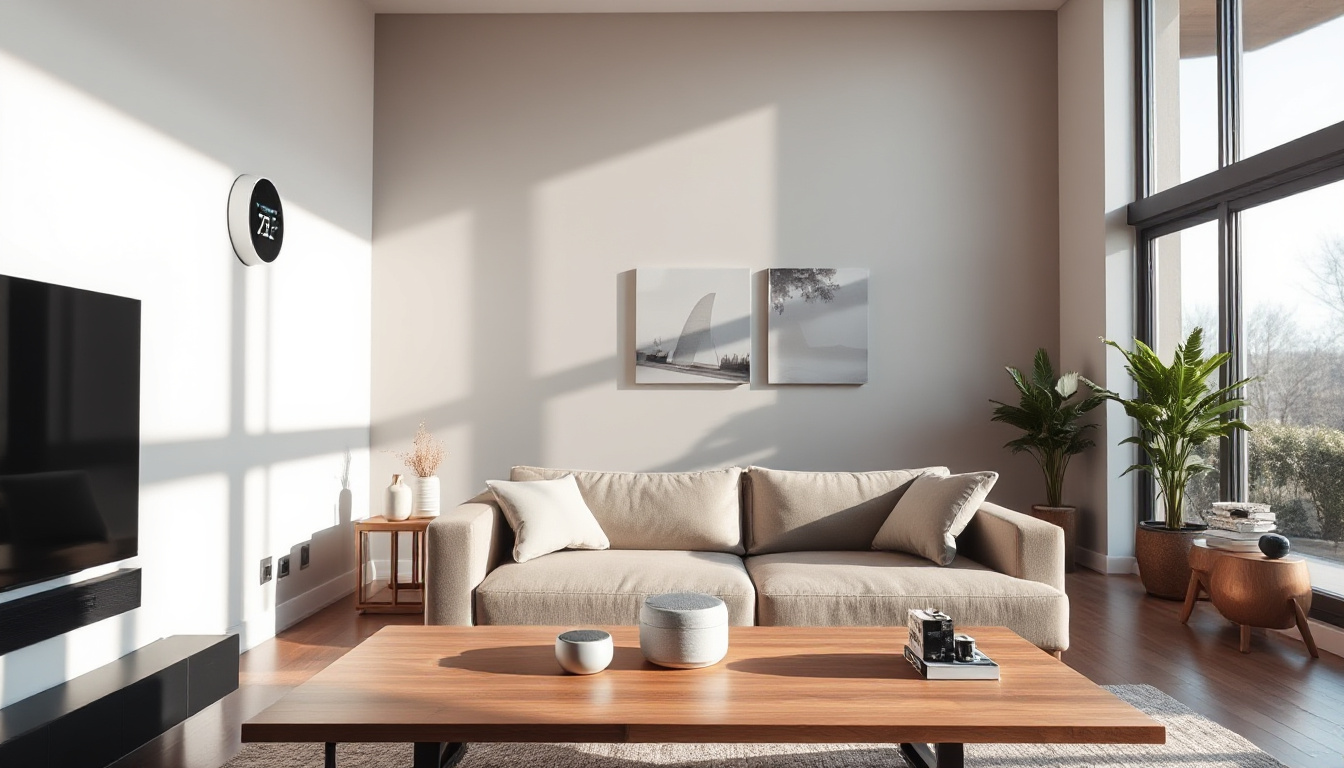
Advantages of home automation
Home automation offers numerous advantages that make life more comfortable and safe. Let's consider the main benefits that may convince you of the feasibility of implementing smart technologies in your home.
Improved security
One of the main advantages of home automation is the increased level of security. The use of modern devices for smart homes in 2026, such as video cameras, motion sensors, and alarms, allows you to monitor the situation in the house from anywhere in the world.
- The ability for remote monitoring.
- Danger notification systems.
- Automatic on/off lighting to create the illusion of presence.
Energy savings
Home automation allows you to significantly reduce energy costs. With the help of intelligent thermostats and sensors, you can control energy consumption.
- Optimization of heating and cooling system operations.
- Automatic shutdown of devices when not in use.
- Energy consumption analysis to identify savings opportunities.
Convenience and comfort
Integrating smart technologies into daily life provides convenience and comfort. You can set up scenarios that automatically execute at specific times or under certain conditions.
- Automatic opening/closing of curtains depending on the time of day.
- Adjusting lighting during movie watching or hosting guests.
- Remote control of devices via a mobile app.
Increasing property value
Investments in home automation can increase its market value. Modern technologies for smart homes are becoming an important criterion when purchasing real estate.
- High demand for homes with automation.
- Potential buyers value comfort and security.
- Possibility of upgrading systems in the future.
Individual settings
Each smart home can be tailored to the specific needs of its residents. Home automation allows for the creation of individual scenarios for each room or even for individual devices.
- Choice of scenarios for lighting or temperature.
- Flexibility in configuring security systems.
- Ease of integrating new devices into the existing system.
Thus, home automation not only enhances comfort and security but also saves resources and increases the value of your property. It is an important step towards creating a modern and efficient living space that meets the demands of modernity and the needs of residents.

Conclusion: Why choose a smart home?
A smart home is not just a trendy phenomenon; it is a new level of comfort and security. Technologies for smart homes are constantly evolving, and in 2026 we will see even more innovations that will allow us to create the perfect living environment. The benefits of home automation are impressive: from reduced energy costs to increased security levels.
Key aspects of smart homes
Smart home devices in 2026 promise to be more integrated, allowing for easy management of all systems from a single mobile app. This will significantly simplify users' lives.
- Convenience: Manage all systems from one place.
- Energy efficiency: Reduced utility costs.
- Security: Security systems that operate autonomously.
- Adaptability: New devices easily integrate.
Call to action
If you are thinking about how to create a smart home, do not put it off. Explore the new smart home offerings in 2026 and choose the solutions that best meet your needs. Home automation can be your step towards a more comfortable and secure life. Make your home smart today — invest in smart home technologies, and you won't regret it!


No comments yet. Be the first!
Leave a Comment