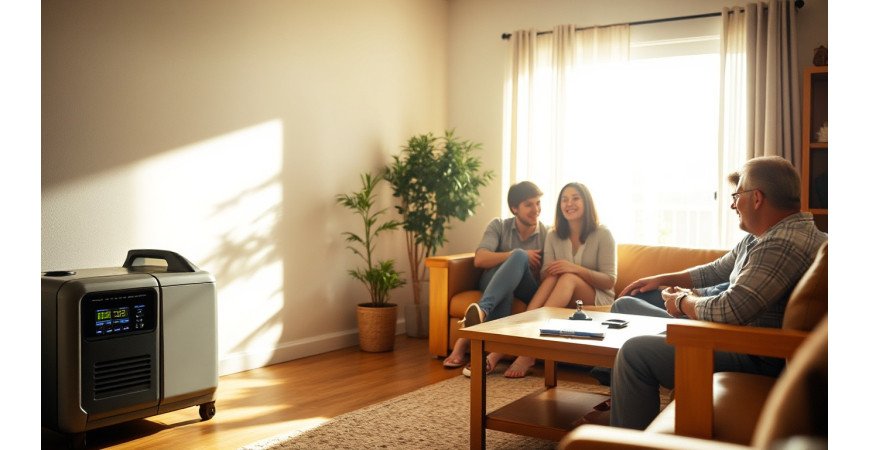

Types of Generators: what options are available?
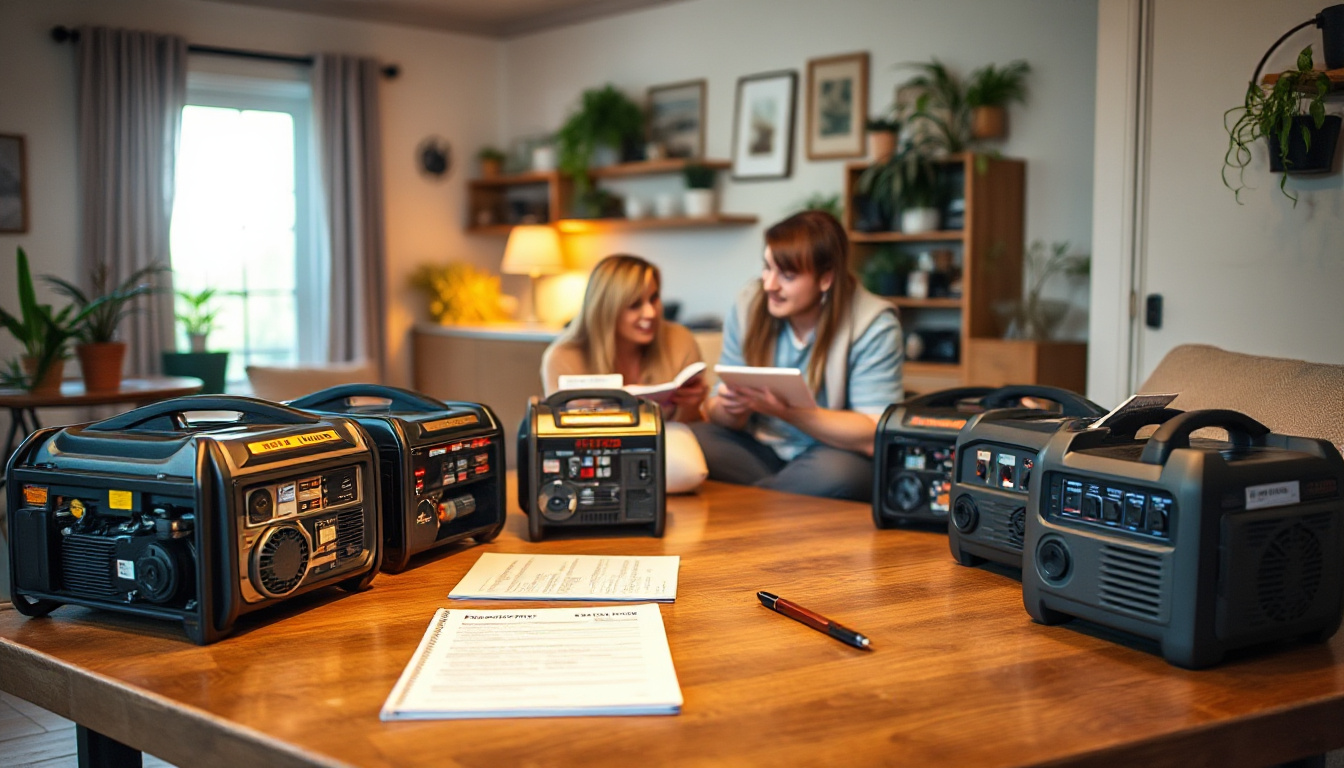
When it comes to home generators, it is important to understand that there are several different types of generators that can meet various needs. Choosing the right type can affect the efficiency of your device and energy costs. In this section, we will discuss the main types of generators, their advantages and disadvantages.
1. Electric Generators
Electric generators are one of the most popular options for home use. They operate on electrical energy and can be connected to the power grid or used independently. Among their advantages are the relative ease of use and the ability to provide continuous power to electrical devices.
A disadvantage of electric generators is that they may be less powerful compared to other types, such as gasoline or diesel generators. However, for household use, for a home generator, their power is often sufficient.
2. Gasoline Generators
Gasoline generators are another popular choice among users. They are usually lighter and portable, making them ideal for use at a cottage or while camping. Gasoline generators can provide high power, making them suitable for powering a large number of electrical appliances.
However, it is worth remembering that gasoline generators can be noisier and require more maintenance. They also emit pollutants, making them unsuitable for indoor use.
3. Diesel Generators
Diesel generators are known for their reliability and durability. They are typically used for large facilities or industrial purposes, but can also be useful for home use. Diesel generators have high fuel efficiency, which helps reduce fuel costs.
However, these generators can be more expensive in initial costs and also heavier and bulkier compared to gasoline ones. It is also important to consider that they can be noisy, so it is better to use them in open spaces.
4. Gas Generators
Gas generators differ from other types as they run on natural gas or propane. These generators are more environmentally friendly as they emit fewer pollutants. They are also usually quieter, which is a big plus for use in residential areas.
However, users need to ensure a gas supply, which may not be available in some regions. Also, gas generators may have limited power compared to diesel or gasoline counterparts.
5. Backup Generators
Backup generators automatically turn on during a power outage. They can be connected to the home electrical grid and provide continuous power for all essential devices. This makes them an ideal choice for those who want to be confident in uninterrupted electricity supply.
It is worth noting that backup generators can be more expensive to install, and they need to be properly maintained to avoid issues during use.
Choosing a generator for home depends on many factors, including your needs, budget, and available fuel sources. Understanding the different types of generators will help you make the right choice and select the best generators for home.
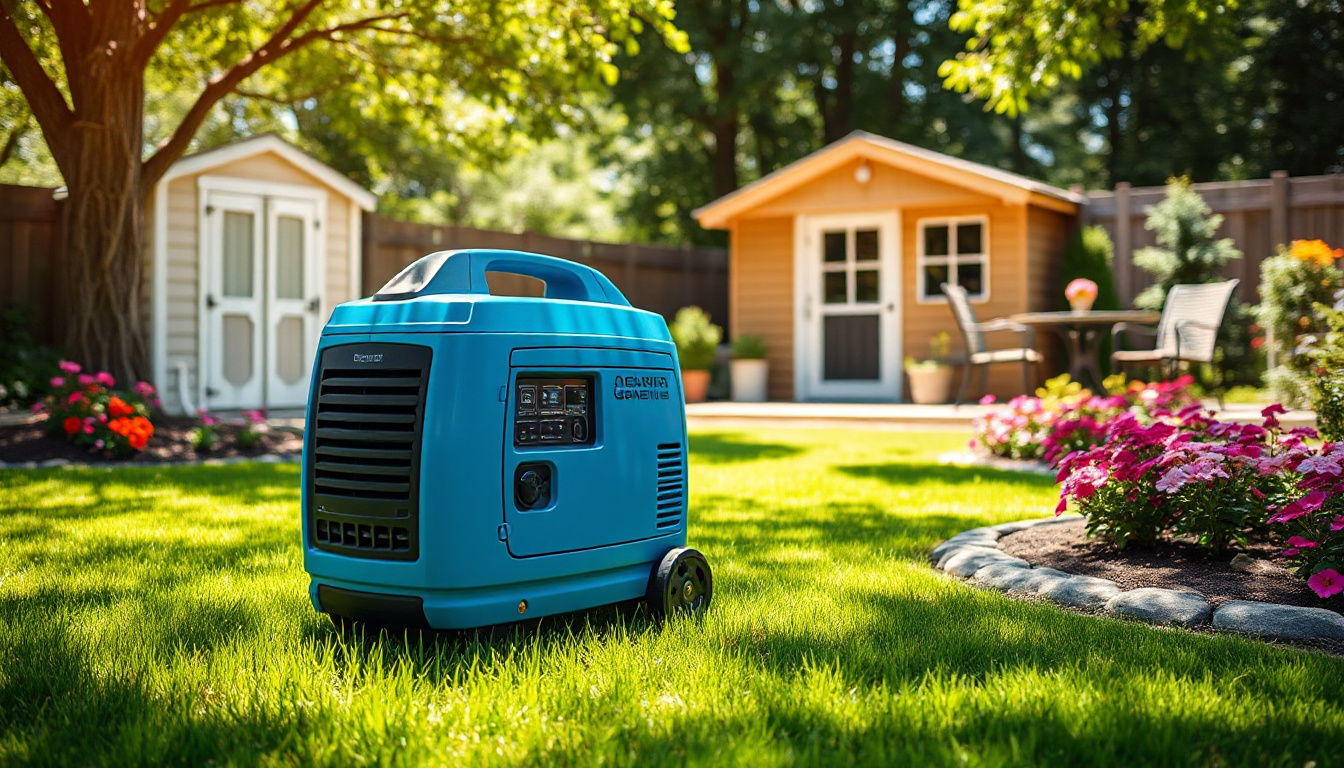
Popular generator models: overview and comparison
When choosing a generator for home, it is important to consider popular models that have proven themselves in the market. This will allow you to not only find a reliable device but also achieve an optimal price-to-quality ratio. In this article, we will look at several popular generator models, their features, and advantages.
1. Electric generators
Electric generators are one of the most popular options for home use. They operate from the electrical grid and provide a stable supply of electricity. Here are a few models worth noting:
- Generac GP2200i — a compact and lightweight generator, ideal for camping and cottages. It has a power of 2200W and provides quiet operation.
- Honda EU2200i — known for its reliability and efficiency. Power of 2200W, has a low noise level, making it ideal for residential areas.
- Yamaha EF2200iS — has an automatic power adjustment feature that helps save fuel. It also provides stable voltage.
2. Backup generators
Backup generators are another popular choice for home. They automatically turn on during a power outage, providing continuous power. Here are a few models worth considering:
- Generac Guardian Series — available in various capacities, these models are distinguished by reliability and ease of installation. They also have an automatic start feature.
- Briggs & Stratton 40445 — a powerful backup generator providing 10 kW of energy, suitable for large homes and commercial spaces.
- Champion 100302 — a versatile generator that can operate as both a backup and for cottage use. It has a power of 7500 W and is very easy to use.
3. Generators for Cottages
If you are looking for a generator for a cottage, you should pay attention to models that combine compactness and high performance. Here are some of them:
- Westinghouse iGen2200 — a lightweight and portable generator that is perfect for outdoor trips. With a power of 2200 W, it can power small household appliances.
- Pulsar G2319N — has both electric and gasoline modes of operation. This hybrid model provides up to 2300 W of power.
- WEN 56200i — another quiet generator that features economical fuel consumption and stable operation.
Choosing a generator for home can be a challenging task, but understanding popular models will help you make the right choice. Depending on your needs, you can choose an electric generator for daily use, a backup generator for emergencies, or a portable generator for the cottage. Don't forget to consider power, noise level, and other characteristics to find the best generators for home that meet your requirements.

Criteria for Choosing a Home Generator
Choosing a generator for home can be a complex task, as there are many factors to consider. To make the right choice, you should familiarize yourself with several key criteria that affect the efficiency and reliability of the generator.
Generator Power
Power is one of the most important indicators when choosing a generator for home. You need to calculate how many electrical devices you plan to connect at the same time. Usually, the power of the generator is measured in watts (W). It is recommended to choose a generator with a power reserve to avoid overload.
Fuel Type
Home generators can run on different types of fuel: gasoline, diesel, or gas. Each type has its advantages and disadvantages. For example, gasoline generators are lighter and cheaper, but diesel ones can run longer on one tank. Gas generators are more environmentally friendly, but they may be less available.
Noise Level
The noise level of a generator is an important criterion, especially if you plan to use it in a residential area. Many manufacturers specify the noise level in decibels (dB). Choose generators with a low noise level to avoid disturbing neighbors and causing discomfort for family members.
Fuel Efficiency
Fuel efficiency is also an important factor. The more energy a generator can produce per unit of fuel, the more economical it will be in operation. This is especially important for backup generators that may be used for extended periods.
Mobility and Weight
If you plan to use the generator not only at home but also at a cottage or for outings, pay attention to its mobility. Lightweight models with wheels make it easy to transport the generator. It is important for the generator to be compact while having enough power for your needs.
Additional Features
Modern electric generators are often equipped with additional features such as automatic start, overload protection, and fuel level indicators. These features can significantly ease the use of the generator and enhance its safety. For example, backup generators with automatic start provide continuous power during a power outage.
Cost of the Generator
The price of a home generator can vary significantly depending on its power and functionality. It is important to find a balance between cost and quality. Expensive models may have more features, but sometimes simpler generators can also meet your needs. It is recommended to conduct market analysis and review user feedback.
Choosing a home generator is a responsible process that requires attention to detail. Understanding the aforementioned criteria will help you make the right choice and ensure stable electricity supply at any time.

User Reviews: What do they say about generators?
Choosing a generator for home use can be challenging, but user reviews can significantly help in this process. Many people who have already used different models share their experiences, allowing newcomers to make a more informed choice. Reviews can be positive, negative, or neutral, and each of them carries its importance.
Positive reviews: why do users choose generators?
Many users note the reliability and efficiency of electric generators. For example, owners of backup generators often emphasize that they have become a real lifesaver during power outages. Thanks to the uninterrupted power supply, users can continue to perform their daily tasks without experiencing inconveniences.
- Ease of use: Many users note the simplicity of starting and operating the generators.
- Economical: Some models are noted for their low fuel consumption, making them cost-effective in the long run.
- High performance: Users often note that the generator can provide power for multiple devices simultaneously.
Negative reviews: what to pay attention to?
Not all reviews of generators are positive. Some users encounter certain issues. For example, some models can be too noisy, which can cause inconvenience, especially at night. Others note that generators consume a significant amount of fuel, increasing costs.
- Noise: Many users note that some models are too loud during operation.
- Maintenance: Some generators require frequent maintenance, which can be unpleasant for owners.
- Cost: Although many generators are cost-effective, some models have a high initial cost.
Which generators receive the best reviews?
Among popular models of home generators, some receive particularly high ratings from users. This includes models that combine high power with fuel efficiency. Owners of such generators often note their reliability and long service life.
- Brand A: This model has received numerous positive reviews for its performance and low noise level.
- Brand B: Users note high efficiency in fuel consumption, making it an attractive choice.
- Brand C: Known for its reliability and ease of maintenance, this generator is a favorite among many owners.
Where to look for reviews?
User reviews can be found on various online platforms. Specialized websites, forums, and social networks are excellent sources of information. Usually, users share their impressions about generators for cottages and homes, which can help you in choosing the best model.
- Forums: They often contain detailed discussions on the topic of choosing generators.
- Comparison sites: Here you can find not only reviews but also comparisons of the specifications of different models.
- Social networks: Platforms like Facebook or Instagram allow you to find opinions from real users.
Price comparison: where to buy a home generator?
When considering the possibility of purchasing a generator for your home, one of the most important aspects is the price. The market offers a wide range of generators, so it's important to know where to look and what factors affect the cost. In this article, we will examine various purchasing options so you can find the best generators for your home at favorable prices.
Where to buy a home generator?
There are several main places where you can purchase home generators:
- Specialized stores: These are places where you can find a wide range of electric generators, as well as get advice from qualified specialists. Usually, such stores offer warranties and service maintenance.
- Online stores: Websites like Amazon, Rozetka, or others offer a large selection of generators for cottages and homes. Here you can find advantageous offers, often with free shipping.
- Electronics markets: At markets, you can often find not only new but also used generators. This can be a good option if you have a limited budget.
- Classified ad sites: Platforms like OLX or others allow you to find generators from private sellers. Here you can find generators at significantly lower prices, but it's important to check their condition.
Factors affecting the price of generators
The price of a home generator can vary depending on several factors:
- Generator Type: For example, gasoline generators are usually cheaper than diesel or electric ones. Backup generators may also cost more due to their reliability and power.
- Power: The higher the power of the generator, the higher its cost. It is important to determine how much electricity you need for your home.
- Brand: Popular models of generators from well-known manufacturers may cost more, but they often offer better quality and service.
- Additional Features: Generators with additional features, such as automatic start or the ability to connect to the grid, may be more expensive.
Where to look for the best prices?
To find good deals on generators, it is recommended to:
- Compare Prices: Use specialized websites to compare prices on generators. This will help you find the best deals.
- Follow Sales: Many stores have sales, especially during the peak shopping season. This is a great opportunity to buy a generator at a good price.
- Read Reviews: User reviews can help you understand whether it is worth buying a particular model at the price offered.
Therefore, buying a generator for home is not only a matter of choosing a model but also of the right place to purchase and pricing policy. Understanding where and how to buy will help you find the best generators for home at an optimal price.
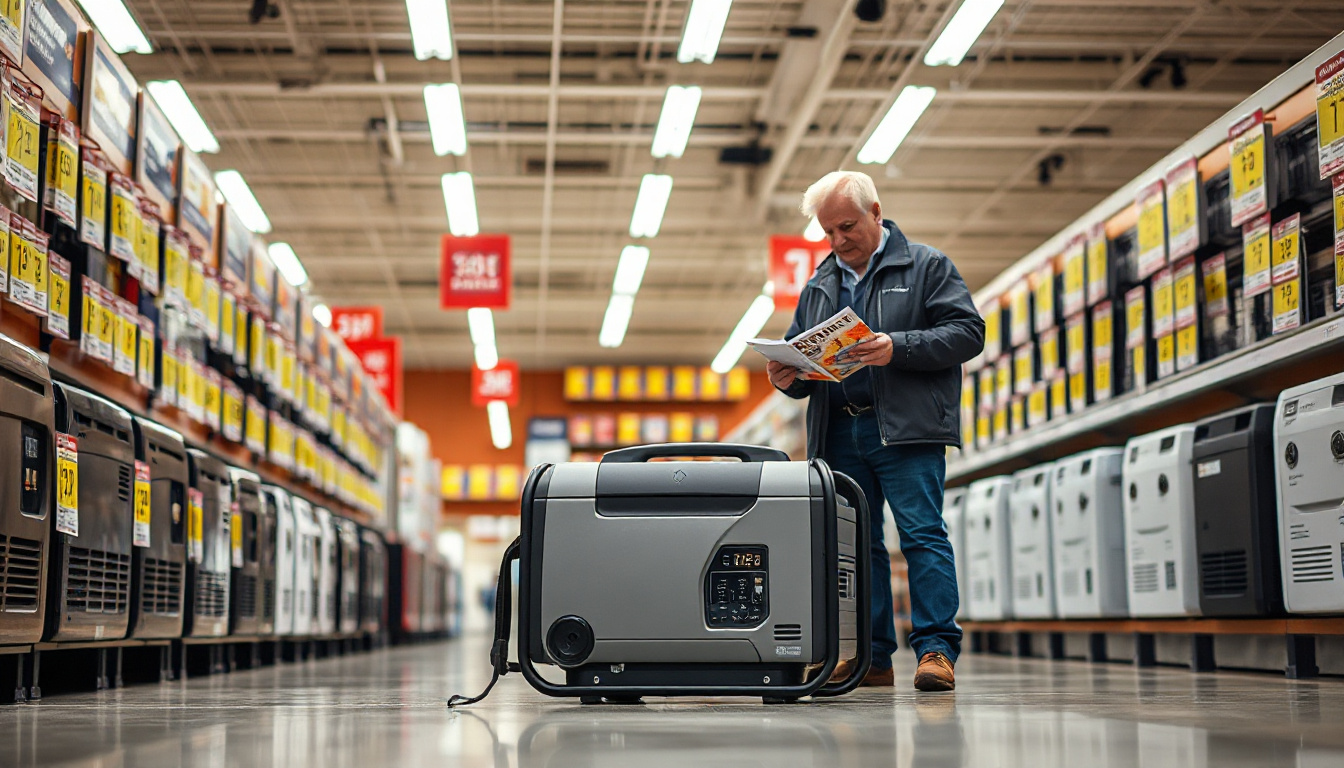
Conclusion: The best generators for home
Choosing a generator for the home is an important step in ensuring comfort and safety in your home. By considering different types, popular models, and selection criteria, you can find the ideal option for your needs. Remember that the right generator for the home can be a reliable source of energy during outages and ensure the uninterrupted operation of electrical devices.
Key aspects to consider
When choosing a backup generator, it is important to pay attention to its power, fuel type, and noise level. User reviews from those who have already used different electric generators can also be helpful in making a decision. They will help you navigate which models are the most reliable and efficient.
Where to buy a home generator?
The market offers numerous options for purchasing a home generator. You can find them in specialty stores, online platforms, or supermarkets. Comparing prices before buying will help you save money. Don't forget to pay attention to promotions and discounts that can significantly reduce the purchase price.
Final recommendations
When choosing a generator for a cottage or home, it is important to determine which electrical appliances you plan to connect. This will allow you to choose the correct power of the generator. Don't forget about maintenance: regular checks and technical service will help extend the lifespan of your generator.
Make the right choice based on your needs, budget, and recommendations from friends or professionals. If you are still unsure, consult specialists who can help you find the best generators for home.
Don't hesitate! Choose your generator today to ensure comfort and safety in your home!
Frequently Asked Questions
What types of home generators are there?
There are several main types of home generators: gasoline, diesel, and gas. Gasoline generators are lightweight and convenient but suitable for small loads. Diesel models are more reliable and economical, while gas generators are environmentally friendly.
How to determine the required power of a home generator?
Before purchasing a home generator, it is important to determine the total power of the electrical appliances you plan to connect. Make a list of all devices and calculate their power, and also choose a generator with a power reserve to avoid overloads.
What is the cost of home generators?
The price of home generators can vary depending on the brand and model. Gasoline generators are usually cheaper, but their operating costs are higher, while diesel and gas models are more expensive to purchase but more economical in the long run.
What are the advantages of gasoline generators for home?
Gasoline generators for home are lightweight, portable, and easy to operate. They are perfect for small loads such as lighting or electronics at a summer house or during outings.
Are home generators safe?
The safety of home generators depends on their design and the presence of protective features. Choose models with protection against overheating, overload, and short circuits to ensure safe operation.
What are the disadvantages of diesel generators for home?
Diesel generators for home can be more expensive to purchase and heavier to transport. However, they provide high reliability and cost-effectiveness in operation, making them popular for long-term use.
What are the advantages of gas generators?
Gas generators for home run on natural gas, making them environmentally friendly and economical. They are suitable for long-term use as they have lower fuel costs.
What characteristics are important when choosing a home generator?
When choosing a home generator, pay attention to its power, fuel type, safety, and reliability. Also consider the price and your budget to find the optimal option.
Can a generator be used indoors?
No, generators should not be used indoors due to the risk of carbon monoxide poisoning. Use generators only outdoors, away from windows and ventilation openings.
How to maintain a home generator?
Regular maintenance of a home generator includes checking the oil, cleaning the filters, and checking the fuel system. Follow the manufacturer's instructions for maintenance to ensure reliable operation.


No comments yet. Be the first!
Leave a Comment