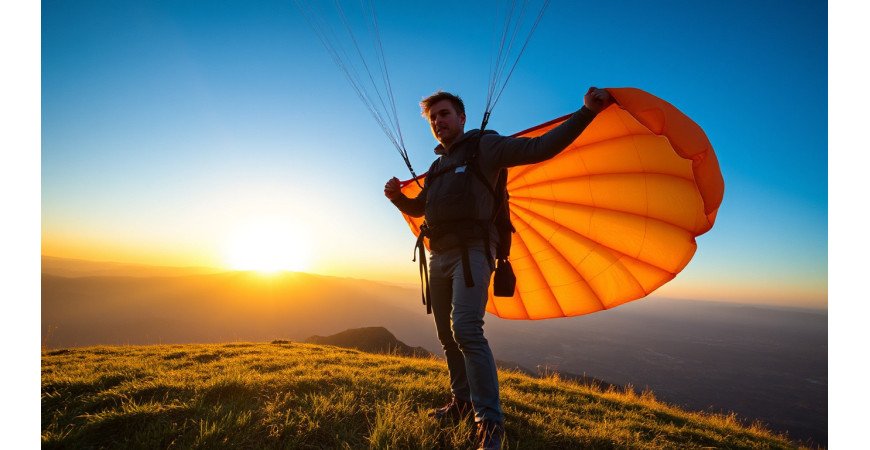

Types of parachutes for paragliding
Choosing the right parachute for paragliding is critically important for ensuring safety and comfort during flight. There are several types of parachutes, each with its own features and purposes. Let's look at the main categories of parachutes used in paragliding.
1. Classic parachute systems
This type of parachute is the most common among beginners. Classic parachute systems have a simple design and are easy to control. They provide good maneuverability and stability during flight. The main characteristics of such systems:
- Ease of use
- High reliability
- Affordable price
2. Parachute for hang gliding
This type of parachute is specifically designed for hang gliders. Parachute for hang gliding has a different design that allows it to cope with the features of the hang glider. It provides effective descent and stability during landing. The main advantages:
- Improved aerodynamics
- Stability during descent
- Durability against weather conditions
3. Tandem parachute systems
Tandem parachute systems are designed for two people: an instructor and a passenger. This type of parachute for flights provides safe and comfortable landings. Tandem parachute systems are ideal for those who want to try paragliding for the first time without prior experience. Features:
- Ensuring safety for passengers
- Ease of control
- High stability during flight
4. Specialized parachute systems
These parachute systems are used to perform specific tasks such as acrobatics or competitions. They have special design elements that allow for complex maneuvers. Key characteristics:
- Reinforced structure
- High maneuverability
- Special materials to reduce weight
Choosing a parachute for paragliding
When choosing a parachute for paragliding, it is important to consider your level of training, flight goals, and the conditions in which you will be flying. The right choice will not only enhance your experience but also ensure safety during flight. Take into account all the features of each type of parachute to find the most suitable option for yourself.
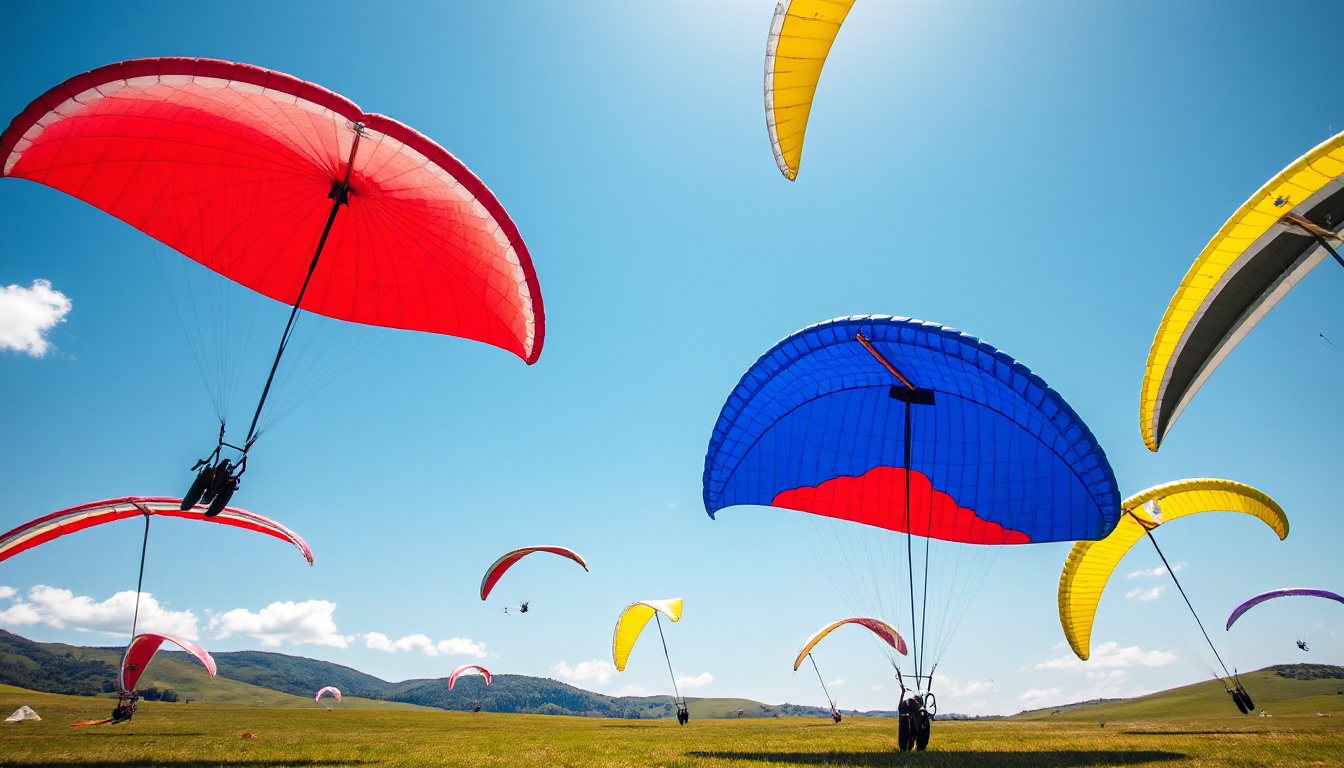
Key aspects when choosing a parachute
Choosing a parachute for paragliding is an important step that determines safety and enjoyment from flights. There are several key aspects to consider when choosing a parachute for paragliding. Let's look at them in more detail.
1. Weight and size of the parachute
One of the main aspects is the weight of the parachute. It should be appropriate for your weight and height. The parachute for hang gliding should be optimally selected to ensure proper aerodynamics. An incorrect choice can lead to undesirable consequences during flight.
2. Types of parachute systems
There are several types of parachute systems used in paragliding. The choice of parachute for flights depends on your experience and flying style. The main types include:
- Standard parachute systems: suitable for most beginners.
- Specialized systems: designed for experienced pilots seeking additional maneuverability.
- Combined systems: ideal for those who want to combine different flying styles.
3. Materials and technologies
When choosing a parachute, it is important to pay attention to the materials from which it is made. Quality materials ensure durability and reliability. Modern technologies also play an important role in the production of parachutes. They may include:
- Waterproof fabrics: for use in various weather conditions.
- Light alloys: to reduce the overall weight of the equipment.
- Special seams: to enhance strength and reliability.
4. Reviews and recommendations
Before making a choice, it is worth familiarizing yourself with the reviews of other pilots. This will help to understand which parachute systems are the most popular and reliable. We recommend consulting experienced pilots or specialized stores that can provide useful advice.
5. Cost and warranty
The price of a parachute for paragliding can vary depending on the brand and quality. It is important to not only consider the cost but also the warranty on the equipment. The presence of a warranty indicates the manufacturer's confidence in the quality of their product.
Therefore, choosing the right parachute for paragliding is not just a matter of comfort but also safety. Considering all the aforementioned aspects will help you make an informed decision and enjoy every moment of your flight.

Evaluation of popular parachute models
When choosing a parachute for paragliding, it is important not only to know what types exist but also to evaluate popular models that have already proven themselves in the market. The right choice of parachute can significantly affect your flying experience as well as your safety. In this section, we will look at several models that have received high ratings from experienced paragliders.
Model A: Balance and Control
The first model to consider is a parachute known for its balance and ease of control. This model is often recommended for beginners as it provides stable flight even in adverse weather conditions. Key advantages:
- Stability: thanks to its special design, it maintains control during maneuvering.
- Lightweight: made from lightweight materials, reducing the overall weight of the equipment.
- Affordability: often offered at a moderate price, making it accessible to most paragliders.
Model B: Professional Level
For those who already have experience in paragliding, Model B can be considered. This model is designed for professionals who seek to reach new heights. It offers incredible maneuverability and speed. Key features:
- Speed: optimized for fast flight, allowing for complex tricks.
- Maneuverability: responds excellently to pilot commands, making it ideal for competitions.
- Reliability: made from high-quality materials that ensure a long service life.
Model C: Versatility
If you want a parachute suitable for various conditions, Model C may be the perfect option. It combines characteristics of stability and speed, making it versatile for different flying styles. Key advantages:
- Versatility: suitable for both hang gliding and paragliding.
- Ease of handling: ideal for beginners but also suitable for experienced pilots.
- Cost-effectiveness: affordable in price, making it popular among a wide range of pilots.
Conclusions
Evaluating popular parachute models is an important step in the selection process. Each of the models considered has its own advantages and disadvantages, so it is important to take your own needs and flying conditions into account. A parachute for paragliding that is suitable for one person may not be the best choice for another. It is also recommended to consult experienced pilots or consultants at paragliding shops for additional information.

Advantages and disadvantages of different parachute systems
Choosing a parachute for paragliding is not limited to just the type of parachute. It is also important to consider the different parachute systems that can significantly affect comfort and safety during flights. Each system has its own advantages and disadvantages that should be considered before purchasing.
Advantages of parachute systems
Not all parachute systems are the same, and each of them has its own unique characteristics. Let's consider the main advantages:
- Safety: Modern parachute systems are designed with an emphasis on safety. They contain various mechanisms for automatic deployment in case of an emergency.
- Comfort: Many systems offer comfortable seating and adjustable elements, allowing them to be tailored to the individual needs of the pilot.
- Lightweight: Modern materials make parachute systems lighter, contributing to better maneuverability during flight.
- Improved aerodynamics: Some systems are designed with an emphasis on aerodynamics, which can enhance flight efficiency.
Disadvantages of parachute systems
Like any equipment, parachute systems have their disadvantages. Here are a few of them:
- Cost: Quality parachute systems can be quite expensive, which can be a barrier for beginners.
- Complexity of use: Some systems may require additional training for proper use, which can be a challenge for newcomers to paragliding.
- Maintenance: Parachute systems require regular maintenance and checks, which can be an additional burden for the pilot.
- Limited capabilities: Some systems may be designed only for certain types of flights, limiting their versatility.
Choosing the optimal parachute system
When choosing a parachute system, it is important to consider your needs and experience. For beginners, simple and easy-to-use systems that do not require complex maintenance are best suited. Experienced pilots may look at more complex options that offer additional capabilities and features.
Do not forget that the right choice of parachute for paragliding, as well as its system, can significantly affect your flight experience. It is important to thoroughly research the market, consult with professionals, and conduct testing before making a final choice.
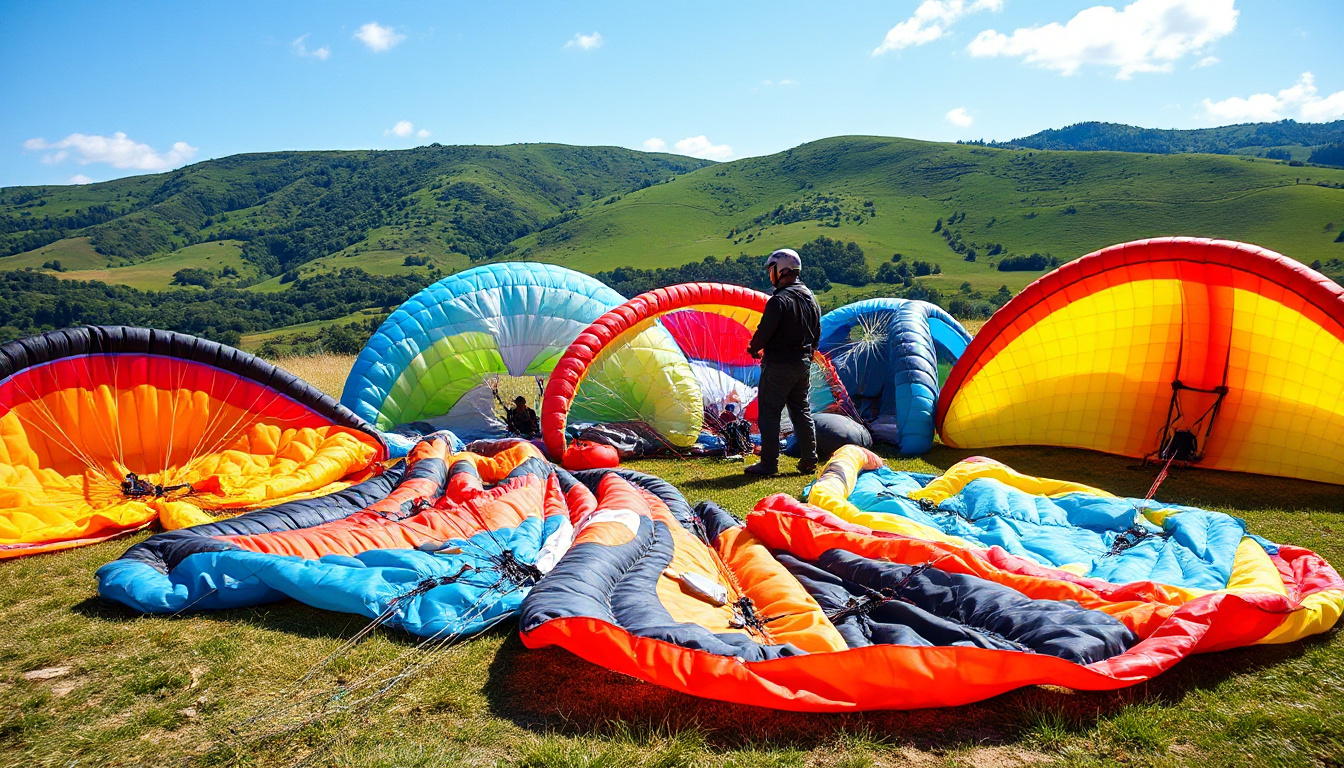
Recommendations for parachute maintenance
Maintaining parachutes is an important part of safely using parachute equipment. Proper care of the parachute for paragliding not only extends the lifespan of the equipment but also ensures safe flights. After all, the condition of the parachute affects not only comfort but also safety during complicated maneuvers in the air.
Main recommendations for parachute care
When choosing a parachute for paragliding, it is important to adhere to certain maintenance rules. Here are the main recommendations:
- Regular inspection. After each flight, it is necessary to check the parachute for damage, cracks, or other defects.
- Cleaning. The parachute should be cleaned of dirt, dust, and other contaminants that may affect its functionality. A soft brush or damp cloth can be used.
- Drying. After use, the parachute must be thoroughly dried to avoid the development of mold or rot. Do not leave it in the sun, as this may damage the material.
- Storage. Store the parachute in a dry, dark place protected from direct sunlight.
Parachute system check
In addition to the external inspection, it is also important to check the internal systems of the parachute. In particular, this concerns:
- Cables and lines. Regularly check for worn or torn lines. This is critically important for safety during flight.
- Connections. Ensure that all connections between the elements of the parachute systems are strong and reliable.
Professional parachute maintenance
While basic care can be performed independently, it is recommended to periodically consult specialists for professional maintenance of your parachute for flights. Specialized centers can offer:
- In-depth analysis. Professional technicians can conduct a detailed inspection of the mechanics and materials, helping to identify hidden defects.
- Replacement of components. If worn parts are found, specialists can replace them with new ones, enhancing flight safety.
Final tips
Ensure your comfort and safety while paragliding by following these simple tips. Choosing a parachute for paragliding is just the first step. Regular maintenance and inspection of your equipment will ensure you have safe and unforgettable flights. Remember that safety should always come first!

Conclusion
Choosing a parachute for paragliding is a critically important process that determines not only safety but also the overall experience of flying. Understanding the different types of parachutes, their advantages and disadvantages, as well as key aspects to consider when choosing will help you make the right decision.
When choosing a parachute for paragliding, it is important to consider your level of experience, the type of flights you plan to undertake, as well as specific equipment requirements. In particular, parachute systems can significantly impact the quality of your experience. Therefore, before making a purchase, it is recommended to familiarize yourself with the recommendations for parachute maintenance to ensure their reliability and safety in use.
Do not forget about the importance of regular maintenance of your parachute equipment. This will not only extend the life of the parachute for paragliding but also ensure your safety during flights.
Final recommendations
- Focus on safety: Choose a parachute that meets your needs and level of training.
- Familiarize yourself with the models: Before buying, study reviews of popular parachute models for paragliding.
- Regular maintenance: Take care of your parachute to ensure its reliability.
- Consult with experts: Do not hesitate to consult professionals for advice when choosing a parachute.
Remember that the right choice of parachute for flights can make your experience unforgettable and safe. If you are ready for new heights, don't hesitate – choose your ideal parachute today!




No comments yet. Be the first!
Leave a Comment