✅Types of lures for fishing
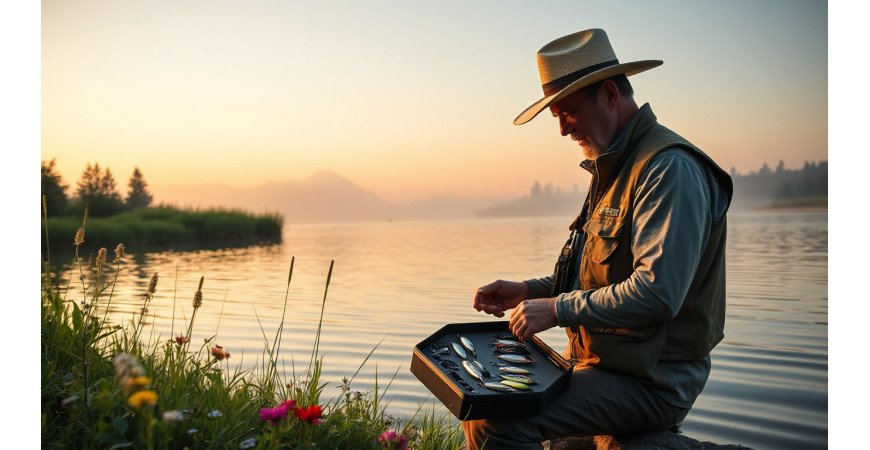
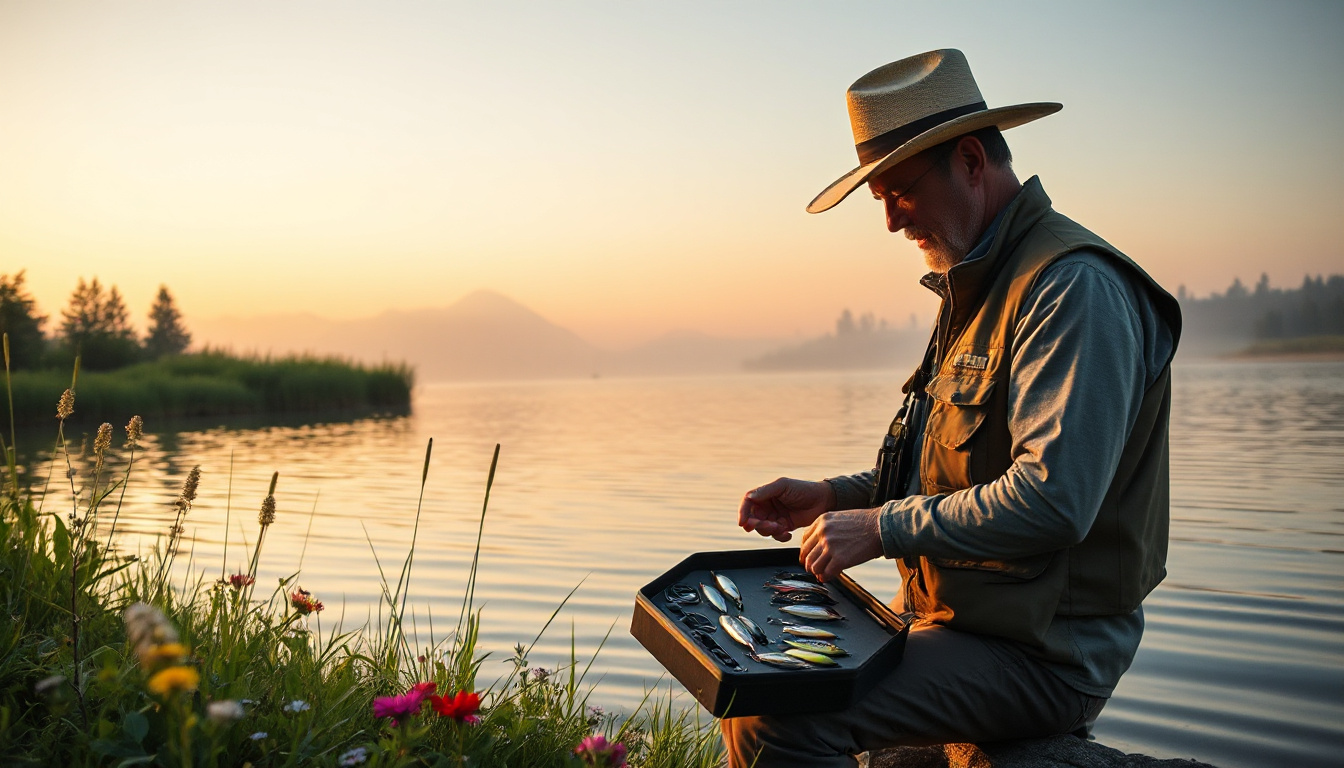
Choosing the right lures for fishing is critically important for achieving success. There are many different types of lures, each with its own features and purposes. In this article, we will discuss the main types of lures for fishing and their specific uses.
Natural lures
Natural lures are one of the most popular options among anglers. They include:
- Fish: small fish, such as carp or crucian carp, are often used to catch larger predators, such as pike or zander.
- Worms: earthworms and red worms are versatile lures for various species of fish, from carp to roach.
- Shellfish: clams, mussels, and other shellfish are often used to catch sea fish.
Artificial lures
Artificial lures are made from various materials and can mimic the movements of living organisms. They are divided into several categories:
- Lures: These are baits that float on the surface or sink underwater. They mimic the movements of fish and are very effective for catching predators.
- Weights: Used to ensure the stability of the bait underwater. Depending on the type of fishing, different types of weights can be chosen.
- Silicone baits: These baits are made from soft material and can take various forms, such as worms, fish, or crayfish. They are often used for catching pike and zander.
Specialized baits
There are also specialized baits designed for specific types of fish or fishing conditions:
- Bottom fishing: For this type of fishing, heavy baits are used that quickly reach the bottom. Most often, these are live or artificial baits that mimic fish food.
- Surface fishing: For this, poppers and other baits that create splashes on the water's surface are used. This attracts fish that hunt surface animals.
How to choose baits for fishing
Choosing baits for fishing depends on several factors, such as:
- The type of fish you plan to catch.
- The time of year and weather conditions.
- The characteristics of the water body where you are fishing.
Understanding these factors will help you choose the most effective baits for fishing. Good preparation and knowledge about different types of baits will contribute to a successful catch.

✅Research on fishing baits: statistics and data
Choosing baits for fishing is often based on intuition, the experience of anglers, and recommendations from friends. However, to achieve maximum results, it is important to pay attention to statistics and scientific research. They can provide valuable information about the effectiveness of different types of baits under various conditions.
Statistics on bait selection
According to research conducted in 2022, about 65% of anglers in Ukraine prefer using artificial baits, while 35% use natural ones. This indicates the growing popularity of artificial options, which provide stable results in active fishing conditions.
Effectiveness of baits
According to data published in the journal "Fishing and Nature", the effectiveness of different types of baits can vary significantly. For example:
- Lures — 75% success rate when catching pike.
- Spinners — 65% effectiveness when catching trout.
- Live baits — 80% success in catching zander.
- Silicone baits — 70% when catching perch.
These data indicate that choosing the right bait can significantly affect the amount of catch.
Factors affecting effectiveness
Research also shows that the effectiveness of baits depends not only on their type but also on several other factors:
- Time of day: In the morning and evening, fish activity is usually higher, increasing the chances of success.
- Weather conditions: Rain or clear weather can affect fish activity.
- Water temperature: Fish are often more active in warm water, which should also be taken into account when choosing baits.
Research on fish groups
In 2021, a group of scientists from the Institute of Hydrobiology conducted a study that showed that different species of fish have their preferences regarding baits. For example, pike-perch reacts more to baits with bright colors, while pike prefers natural shades.
Conclusions
Thus, the statistics and data collected as a result of the studies confirm the importance of a well-grounded choice of baits for fishing. Anglers who consider these factors have significantly higher chances of success. Incorporating scientific research into fishing practice can be the key to better results and satisfaction from the process.
✅Recommendations for Choosing Baits for Fishing
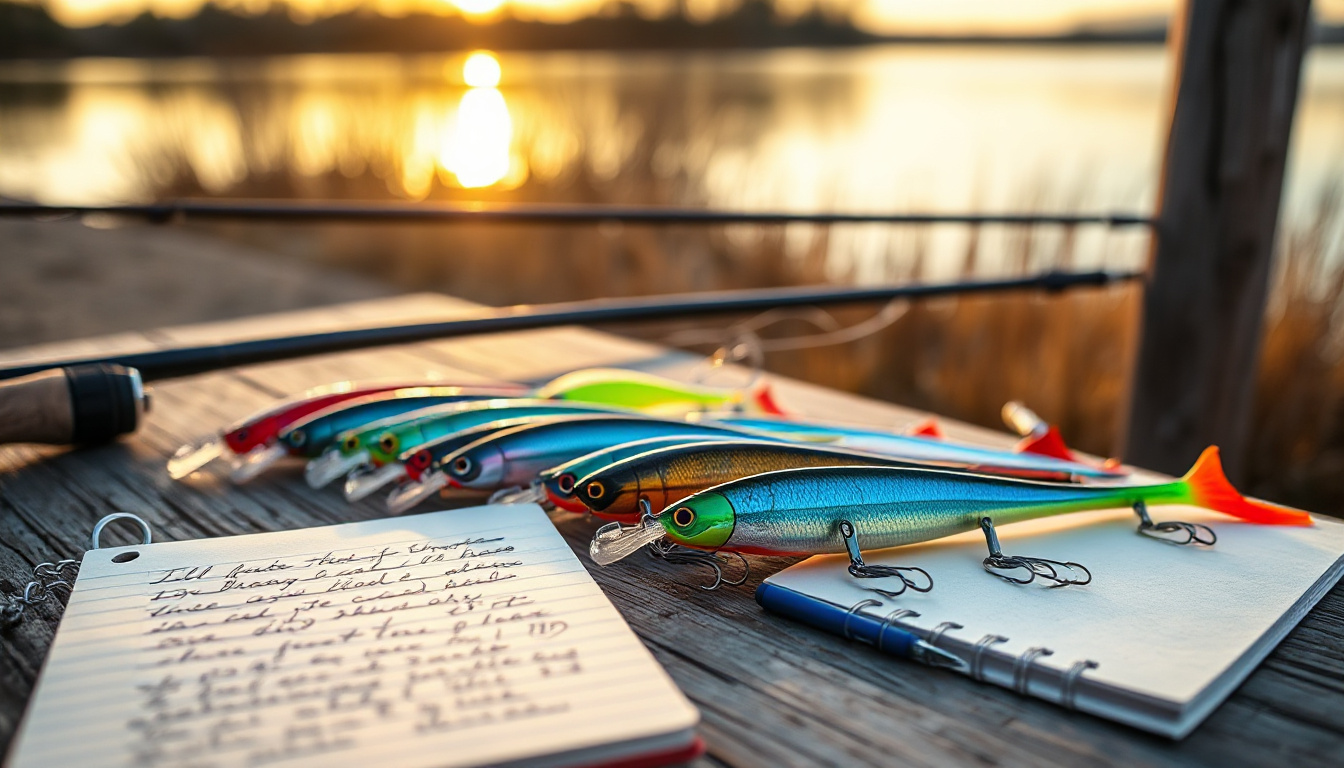
Choosing bait for fishing depends on many factors that can affect the success of fishing. In this article, we will look at practical tips for choosing baits, taking into account fishing conditions and target fish.
1. Determine the Fishing Conditions
Before choosing bait, it is important to assess the conditions in which you will be fishing. This may include:
- Water Temperature: Different species of fish are active at different temperatures. For example, in warm water, fish may prefer live baits, while in cold water — artificial ones.
- Time of Day: Fish bite more actively early in the morning and late in the evening. During this time, you can use bright baits that attract attention.
- Weather Conditions: Rain or fog can affect visibility, so it is advisable to use baits that are easily visible in such conditions.
2. Identify the Target Fish
Different species of fish have their dietary peculiarities, so it is important to know which fish you are targeting:
- Pike: This fish loves live baits, such as fish or frogs. You can also use large spoons or wobblers.
- Bream: Bream can be caught on plant baits, such as corn, as well as on worms.
- Pike-perch: This fish prefers small fish, so it is advisable to use fishing baits that imitate small fish.
3. Consider the Type of Water Body
The type of water body also plays a significant role when choosing baits:
- Rivers: In rivers with strong currents, it is better to use heavier baits that can overcome the resistance of the water.
- Lakes: In lakes, fish can be more cautious, so it is advisable to choose lighter baits that do not scare the fish.
- Sea Waters: In the sea, it is better to use larger baits, as fish here are usually larger and more aggressive.
4. Test Different Baits
Do not be afraid to experiment with different types of baits. Sometimes fish may prefer a certain bait in a specific spot, so it is advisable to have a variety of options in your arsenal:
- Live Baits: Using worms, larvae, or small fish can be very effective.
- Artificial Baits: Silicone fish, spoons, and wobblers can attract fish due to their bright colors and movements.
- Combinations: Sometimes it is better to use combinations of live and artificial baits for better results.
5. Observe the Fish
Observing fish behavior can give you useful hints. If the fish are actively feeding, try using baits that mimic that feed. It is also important to pay attention to seasonal changes in fish behavior.
Successful bait selection for fishing depends on many factors, but by following these simple recommendations, you can increase your chances of success. Remember that fishing is not just about the result, but also about the enjoyment of the process!

✅Practical checklist for bait selection
When you are standing on the shore of a water body, ready to fish, it is important to have not only a rod and reel but also a clear action plan. One of the most useful tools in this process is a checklist that will help you choose the right baits for fishing. In this article, we will present you with a practical checklist that will include all the necessary aspects to consider when choosing baits.
Main factors for bait selection
Before choosing a bait, consider the following factors:
- Type of fish: What fish are you targeting? Different species of fish require different baits.
- Type of water body: Are you fishing in a river, lake, or sea? This will also affect bait selection.
- Time of year: The season can significantly change fish behavior and their receptiveness to baits.
- Time of day: Are you planning to fish in the morning, afternoon, or evening? This is important for selecting active baits.
Checklist for bait selection
Here is your practical checklist that will help you in selecting baits for fishing:
- ☐ Identify the target fish: What fish are you interested in? (e.g., pike, carp, perch)
- ☐ Assess the water body: What is the depth, current, and bottom structure?
- ☐ Choose the type of bait: Live bait, artificial lures, or spinners?
- ☐ Check the weather: Will it rain, be windy, or sunny?
- ☐ Consider the season: What baits work best at this time? (e.g., in spring, live bait works better)
- ☐ Gather necessary accessories: Do you have all the needed hooks, leaders, and so on?
- ☐ Evaluate fish activity: Do you notice the fish actively feeding?
- ☐ Prepare spare baits: Do you have spare options in case the first bait doesn't work?
Additional tips
Remember that fishing is not just about technique, but also about enjoying the process. Here are a few additional tips:
- ☐ Observe nature: Often fish follow certain natural signs, so observation can help you choose the right bait.
- ☐ Experiment: Don’t be afraid to try new baits; sometimes unusual options bring success.
- ☐ Communicate with other anglers: The experience of others can teach you a lot.
With this checklist, you will be able to better organize your fishing process and increase your chances of a successful catch. Remember that fishing is also about enjoyment, so enjoy every moment in nature!

✅Comparison of popular fishing lures
When it comes to fishing, choosing the right lure can significantly impact your success. Different types of fish respond to different kinds of lures, so it's important to know which ones are the most effective. In this section, we will compare several popular fishing lures to help you make an informed choice.
Comparison table of lures
| Lure | Type | Target fish | Advantages | Disadvantages |
|---|---|---|---|---|
| Worm | Natural | Bream, crucian carp | Natural scent, versatility | Difficult to store, short shelf life |
| Silicone lure | Artificial | Pike, perch | Long lifespan, variety of colors | May be less effective in cold water |
| Trapper | Artificial | Anglers using spinning | Powerful attraction, ease of use | High cost |
| Fish bait | Natural | Pike, catfish | Effective for large predators | Hard to find, short shelf life |
Analysis of lure selection
Each of the lures has its unique characteristics that can be effective in different conditions. For example, worm is a classic bait that is suitable for most fish species and works well in calm waters. However, its downside is its short lifespan, which can be a problem during long fishing sessions.
On the other hand, silicone lures offer a wide variety of shapes and colors, allowing anglers to experiment with different strategies. They also have a longer lifespan, but may be less effective in cold conditions when fish are less active.
Choosing a trapper can be ideal for anglers who want to quickly attract fish due to its powerful attraction, but their price can be high for beginners. Fish bait, on the other hand, is an excellent choice for catching large predators, but will require more effort to prepare and store.
Conclusion
Considering the different characteristics and advantages of popular fishing lures, it is important to take into account not only the target fish but also the conditions in which you will be fishing. Understanding the specifics of each lure will help you make informed decisions and increase your chances of success in fishing.

✅Advantages and disadvantages of different baits
Every fisherman faces the question of choosing the bait that best suits a specific type of fish and fishing conditions. In this section, we will discuss the pros and cons of different types of baits to help you make an informed choice.
Natural baits
Natural baits, such as worms, larvae, fish, or other natural materials, are often considered the most effective. Here are their pros and cons:
- Pros:
- Naturalness: Fish are accustomed to such baits, making them attractive.
- Versatility: Can be used for different types of fish.
- Effectiveness: Often show good results compared to artificial baits.
- Cons:
- Storage difficulty: Natural baits spoil quickly.
- Need for collection: Some fishermen may not have the ability to gather them on their own.
- Cost: Can be more expensive compared to some artificial options.
Artificial baits
Artificial baits include wobblers, jigs, spinners, and others. They have their advantages and disadvantages:
- Pros:
- Durability: Can be used multiple times without the need for replacement.
- Diversity: A huge variety of shapes, colors, and types.
- Convenience: Easy to store and transport.
- Cons:
- Unpredictability: May not always be effective in certain conditions.
- Cost: High-quality artificial baits can be expensive.
- Need for technique: Require skills in use to achieve the best results.
Specialized baits
These baits are designed for specific types of fish or fishing conditions. They also have their pros and cons:
- Pros:
- Effectiveness: Often capable of attracting specific species of fish.
- Innovation: Use of the latest technologies in production.
- Specific design: Usually have unique characteristics that make them attractive to fish.
- Cons:
- Price: Can be expensive, especially if it is a novelty on the market.
- Limited use: Suitable only for certain conditions, not universal.
- Experience: Require knowledge of how and when to use them.
Thus, choosing bait for fishing is not only a matter of taste but also a deep understanding of the features of each type. By knowing the pros and cons of different baits, you can better prepare for fishing and increase your chances of success.

✅Conclusions and recommendations for choosing fishing baits
In the world of fishing, the right choice of bait is a crucial factor for achieving success. As we have already discussed, there are many types of bait, each with its own characteristics, pros, and cons. The right bait can significantly increase your chances of a catch, so it is important to understand how to choose it.
Key Aspects of Choosing Bait
When choosing bait, consider several key points:
- Type of Fish: Different species of fish have their preferences, so it is important to know what fish inhabit a specific water body.
- Fishing Conditions: Water temperature, weather, and time of day can significantly influence the choice of bait.
- Type of Water Body: Different water bodies (rivers, lakes, ponds) may require different approaches to selecting bait.
- Your Experience: Your own observations and experience can help you make the right choice.
Final Thoughts
Always remember that the choice of bait is not universal. It depends on many factors that can vary from one fishing trip to another. Therefore, it is important to experiment, learn new methods, and share experiences with other anglers.
Remember that fishing is not only about the catch but also about enjoying the process. By choosing the right bait, you can increase your chances of success and perhaps even land a trophy catch. Don’t be afraid to experiment and try new approaches!
So, if you are ready for new fishing adventures, explore the variety of baits and choose the ones that suit you and your fishing style. Good luck on the waters!
✅Frequently Asked Questions
What are the best baits for fishing?
The best baits depend on the type of fish, fishing conditions, and the time of year. Generally, predatory fish respond to moving baits, while peaceful fish prefer more calm options.
How to choose baits for fishing in murky water?
In murky water, it's better to use bright baits that attract the fish's attention. It's also recommended to experiment with different options to find the most effective ones.
Why is it important to choose the right baits for fishing?
Choosing the right baits affects the likelihood of catching fish. In different conditions, such as water temperature and fish activity, various types of baits may be more or less effective.
What natural baits are recommended for fishing?
Natural baits such as worms, larvae, or fish pieces are very effective for many types of fish. They attract fish with their natural appearance and smell.
What artificial baits are better for predatory fish?
For predatory fish, moving artificial baits such as spoons or crankbaits are recommended. They mimic the movements of prey, making them attractive to fish.
What factors influence the choice of baits for fishing?
The choice of baits depends on fishing conditions, the time of year, fish activity, and the type of water body. It's important to adapt your choice to specific conditions for better results.
How often should you change baits during fishing?
Depending on the fish activity, you should change baits every 30-60 minutes. If you're not getting any bites, try new options to increase your chances of catching fish.
Is it worth experimenting with new baits?
Yes, experimenting with new baits can help find more effective solutions for different fishing conditions. Many anglers find their favorite baits through experimentation.
When is the best time to use baits for fishing?
The time of day affects fish activity, so early in the morning or late in the evening are usually the best moments for fishing. During this time, fish often search for food, making them more active.
Where can you buy fishing baits?
Fishing baits can be found in fishing stores, supermarkets, or online stores. It's worth paying attention to reviews to choose quality and effective options.



Leave a Comment