3D Printing Technologies: What's New in 2026
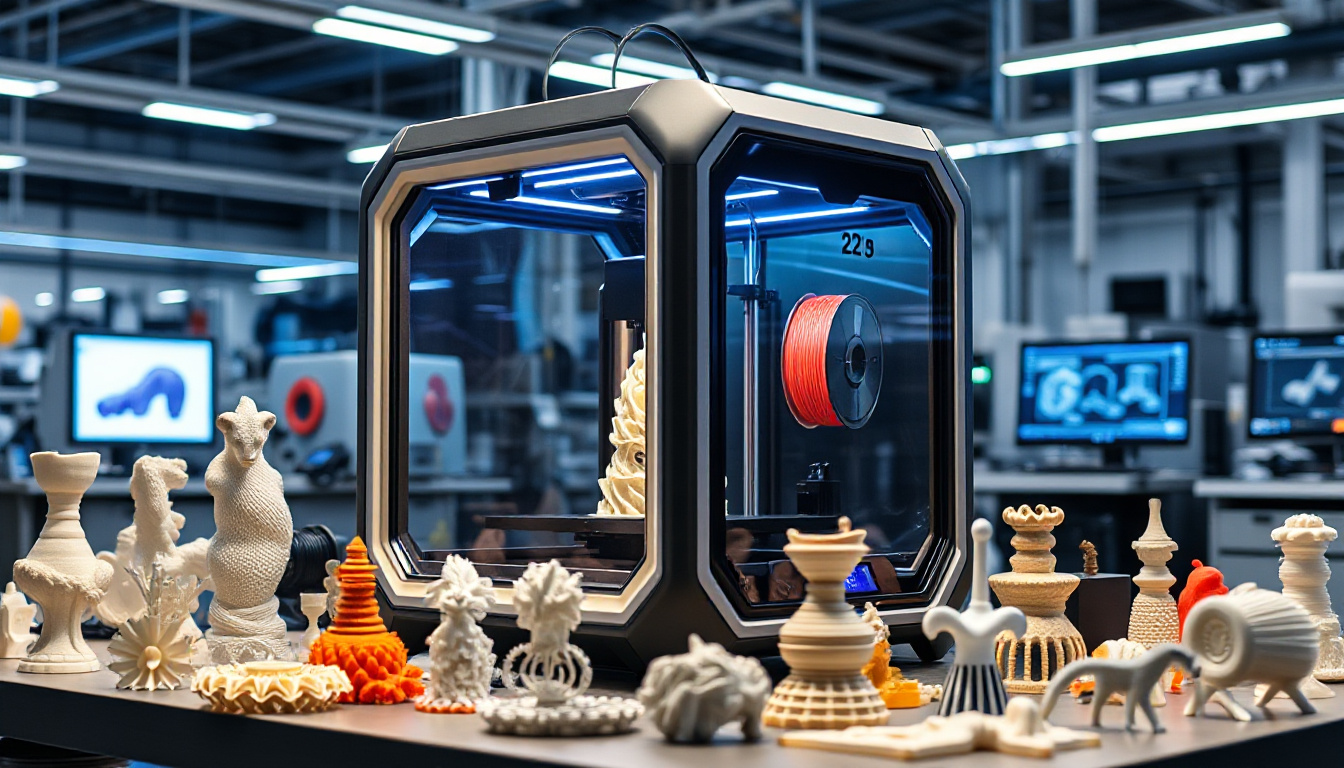
In 2026, 3D printing technologies continue to evolve, offering new opportunities and applications in various fields. This year has brought several significant innovations in the world of 3D printing that could change approaches to manufacturing, design, and even medicine.
Innovative Materials for 3D Printing
One of the biggest innovations in 2026 is the introduction of new materials for 3D printing. Modern 3D printers can now work with:
- Biomaterials: which open new horizons in medicine, particularly in implantation and organ fabrication.
- Nanomaterials: which provide increased strength and lightness of products.
- Eco-friendly materials: which reduce environmental impact during production.
Speed and Accuracy of Printing
Modern 3D printers have become faster and more accurate. With new technologies such as:
- Laser 3D printing: which allows achieving high product quality in a short time.
- Ultrasonic wave printing method: which significantly increases printing speed without losing quality.
These improvements open up new possibilities for mass production and customizing products to meet specific consumer needs.
Automation and Artificial Intelligence
In 2026, 3D printing technologies actively integrate automation and artificial intelligence. This allows:
- Optimize production processes: reducing the need for manual labor and increasing speed.
- Conduct quality monitoring: in real-time, which reduces the risk of production defects.
Thus, new 3D printing technologies are becoming an important tool for increasing efficiency in various sectors of manufacturing.
Applications in various fields
The innovations of 3D printing in 2026 have found applications in:
- Medicine: for creating customized prosthetics and organs.
- Aerospace industry: for manufacturing lightweight and durable aircraft components.
- Automotive industry: for customizing and producing unique parts.
These new capabilities allow for reduced costs and production time, as well as ensuring higher quality of finished products.
Comparison of the Best 3D Printers of 2026
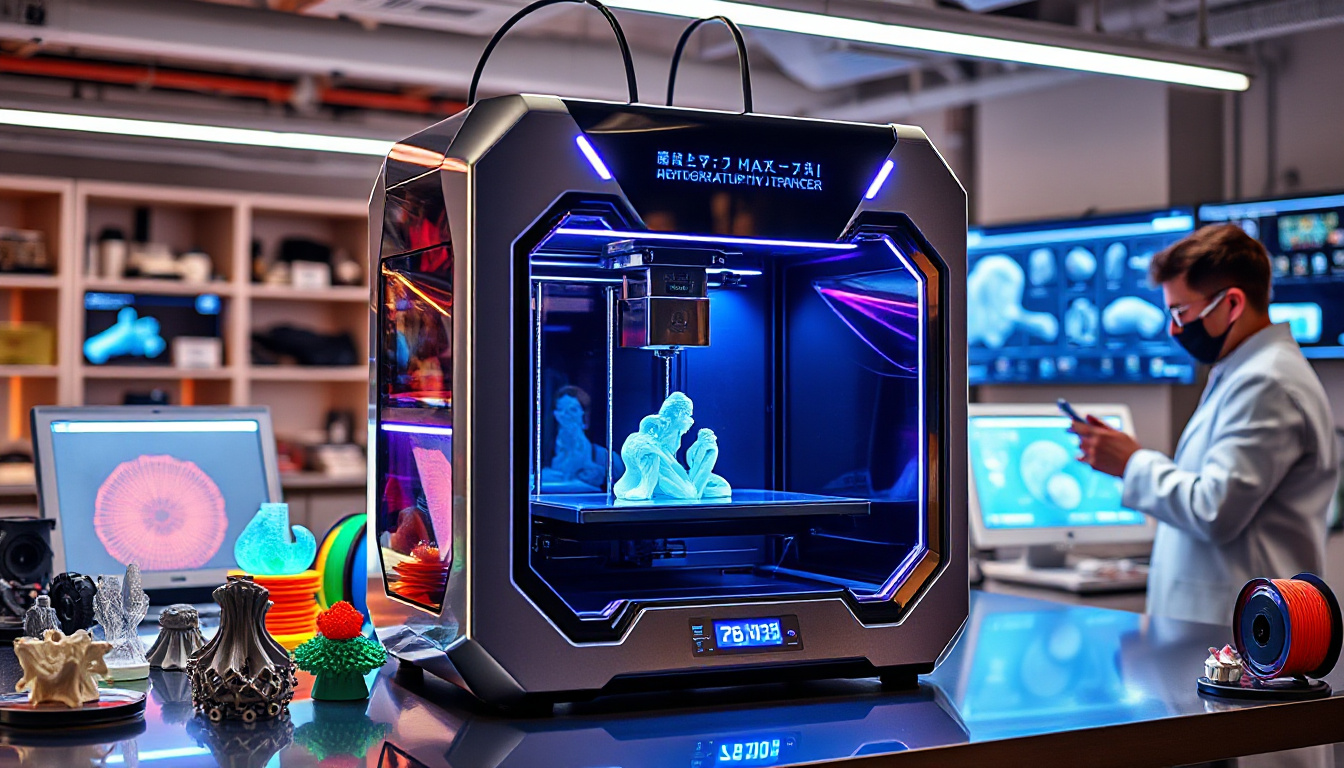
In 2026, several outstanding 3D printers appeared on the market that can meet the needs of both professionals and hobbyists. In this section, we will look at the top 3-5 3D printers, compare their specifications, advantages, and disadvantages to help you choose the perfect 3D printer for home or work.
3D Printer Comparison Table
| Model | Type | Print Size | Price | Advantages | Disadvantages |
|---|---|---|---|---|---|
| Prusa i3 MK4 | FDM | 250 x 210 x 210 mm | $999 |
|
|
| Anycubic Photon Mono X | MSLA | 192 x 120 x 245 mm | $599 |
|
|
| Creality Ender 3 V2 | FDM | 220 x 220 x 250 mm | $299 |
|
|
Winner Recommendation
Prusa i3 MK4 has been recognized as the best 3D printer of 2026 due to its high precision, customization capabilities, and versatility in material selection. Although its price is higher than competitors, the print quality and reliability make it an ideal choice for professional 3D printing.
Ratings and reviews of new 3D printing technologies
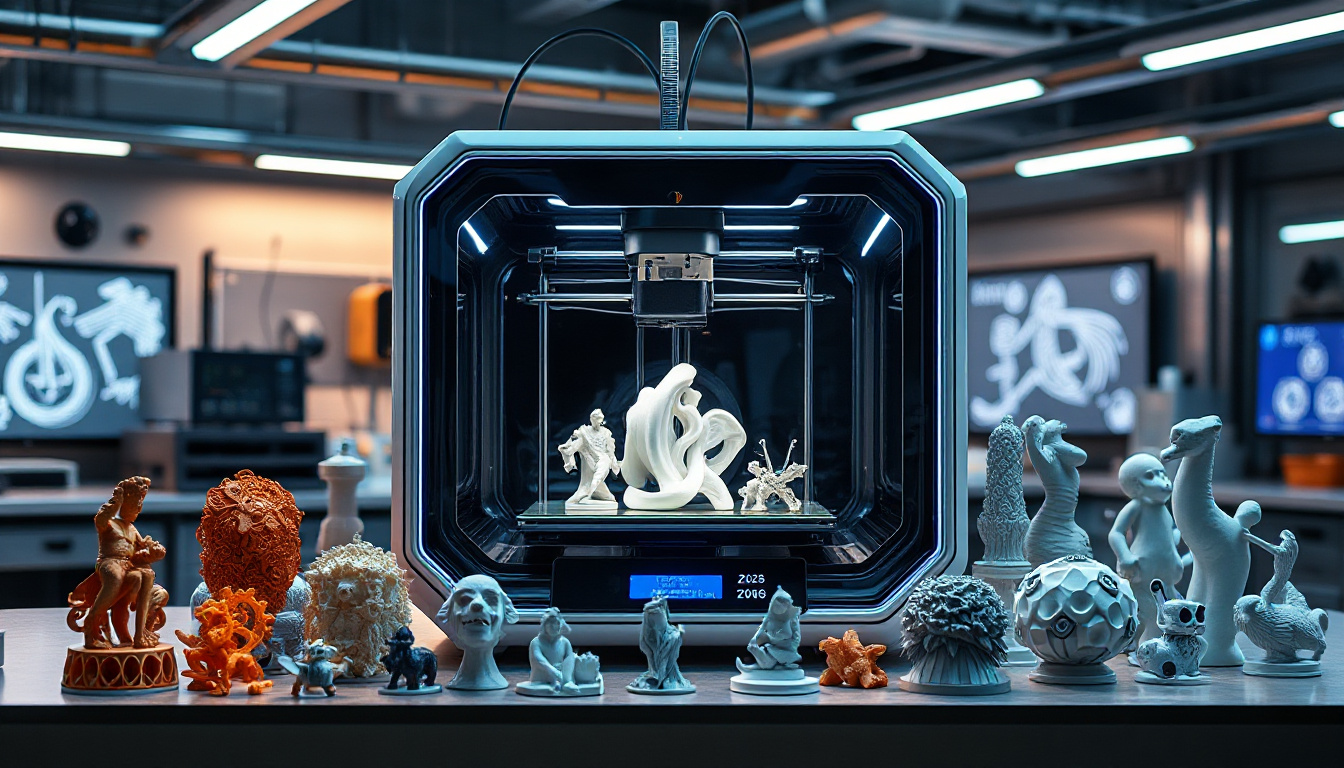
In the section "Ratings and reviews of new 3D printing technologies," we will examine the latest models of 3D printers from 2026 that have received positive feedback from users and experts. This overview of 3D printers from 2026 includes details about the advantages, disadvantages, and overall assessment of each.
1. Prusa i3 MK4
Prusa i3 MK4 has become one of the most popular 3D printers of 2026 due to its consistent quality and affordability. Users note:
- Ease of use: The printer has an intuitive interface, making it ideal for beginners.
- High print quality: Thanks to the updated head and automatic calibration technology, the results are always impressive.
- Flexibility: Prusa i3 MK4 supports various materials, including PLA, ABS, and PETG.
Rating: 9.5/10
2. Anycubic Vyper
Anycubic Vyper has become a real hit among mid-range 3D printers. It allows for excellent results without significant expenses. Main advantages:
- Printing speed: With fast platform heating and high printing speed, you can obtain models faster.
- Automatic leveling: The automatic leveling system makes the setup process easier and faster.
- Affordable price: Its relatively low price makes it attractive for many users.
Rating: 8.7/10
3. Creality Ender 3 S1
Creality Ender 3 S1 continues the traditions of its predecessors, offering impressive features at an affordable price. User feedback includes:
- Ease of modifications: This printer is perfect for those who love to experiment with settings.
- Excellent community support: A wealth of resources and community will assist you in case of issues.
- Print quality: Even without refinements, the printer delivers excellent results.
Rating: 9.0/10
Thus, the new 3D printing technologies of 2026 demonstrate significant progress in technology and design. Each of these printers has its unique advantages, making them appealing to various categories of users.
Predictions and trends in 3D printing for the future
3D printing technologies continue to develop rapidly, and predicting their future is becoming increasingly complex, yet at the same time more exciting. After 2026, we can expect a series of key trends that will shape this industry.
1. Expansion of printing materials
In the coming years, it is expected that even more new materials for 3D printing will emerge, including:
- Biocompatible materials: They will form the basis for the production of medical implants and prosthetics.
- Metal alloys: The expansion of metal printing capabilities will allow for the creation of more complex and precise parts for industry.
- Eco-friendly materials: The growing interest in sustainable development will lead to the creation of biodegradable filaments.
2. Integration with artificial intelligence
Artificial intelligence (AI) will begin to play an important role in the 3D printing processes. This may include:
- Design optimization: AI will be able to automatically generate optimal models for printing, considering various parameters.
- Process monitoring: Thanks to AI, real-time monitoring of print quality will be possible, allowing for timely detection of issues.
3. On-demand printing in industry
Industrial enterprises are increasingly using 3D printing technologies for manufacturing custom parts. This trend will grow due to:
- Cost reduction: On-demand printing will allow for reduced inventory and storage costs.
- Improved production speed: The ability to quickly produce prototypes and parts will reduce time to market.
4. Development of bioprinting
Bioprinting will become one of the most exciting fields in 3D printing, with the potential for:
- Tissues and organs: Research in this area may lead to the creation of artificial organs for transplantation.
- Cosmetic solutions: Manufacturing of custom cosmetic implants.
Thus, 3D printing technologies promise to be not only innovative but also transform many aspects of our lives in the coming years. From new materials to the integration of artificial intelligence — the future of 3D printing looks extremely promising.
Conclusion: Key points of modern 3D printers in 2026
In 2026, the overview of 3D printers demonstrates significant progress in technologies, opening new opportunities for users. The best 3D printers this year impress with their performance, print quality, and functionality. Users note that new models provide high printing speed and accuracy, which are critically important for industry and creativity.
Key features of 3D printers in 2026
- High printing speed: New models allow for reduced manufacturing time, which increases production efficiency.
- Variety of materials: Manufacturers continue to expand the range of mixtures for 3D printing, including biocompatible materials and composites.
- User-friendly software: Modern 3D printers come with easy-to-use software, simplifying the setup and management process.
- Eco-friendly technologies: Many models are certified as eco-friendly, using recycled materials or reducing energy consumption.
Looking to the future
Given the trends and forecasts, it can be argued that 3D printing will continue to evolve, particularly in the fields of medicine, construction, and design. Every year new opportunities arise that could completely change the way we produce and consume.
Call to action
If you are interested in purchasing a new 3D printer or want to learn more about modern technologies, don't hesitate! Explore the market, familiarize yourself with reviews, and choose the best 3D printers of 2026 that meet your needs. Buying a 3D printer today is an investment in your future!

No comments yet. Be the first!
Leave a Comment